
Adapting content for Arab social media isn’t just about translation; it’s a deep transformation of marketing materials, taking into account the cultural, religious, and social specifics of the UAE, language, audience preferences, and local trends. This ensures maximum response and effectiveness for advertising campaigns. It’s a key success factor for promoting any business in the region, helping to build trust with potential clients and increase conversions.
Quick Overview
- Cultural nuances of the Arab world demand deep understanding: it’s important to respect traditions, religion, and family values.
- Language matters: beyond Modern Standard Arabic, you need to consider local dialects and the right tone of communication.
- Visual content must be carefully adapted, avoiding provocative elements and considering local aesthetics.
- Targeted advertising on Facebook and Instagram remains the fastest and most effective way to attract clients in the UAE, delivering measurable results.
- Avoid direct translations and generic approaches: a personalized strategy is needed for each emirate and target audience.
What is Content Adaptation for Arab Social Media and Why Is It Important?
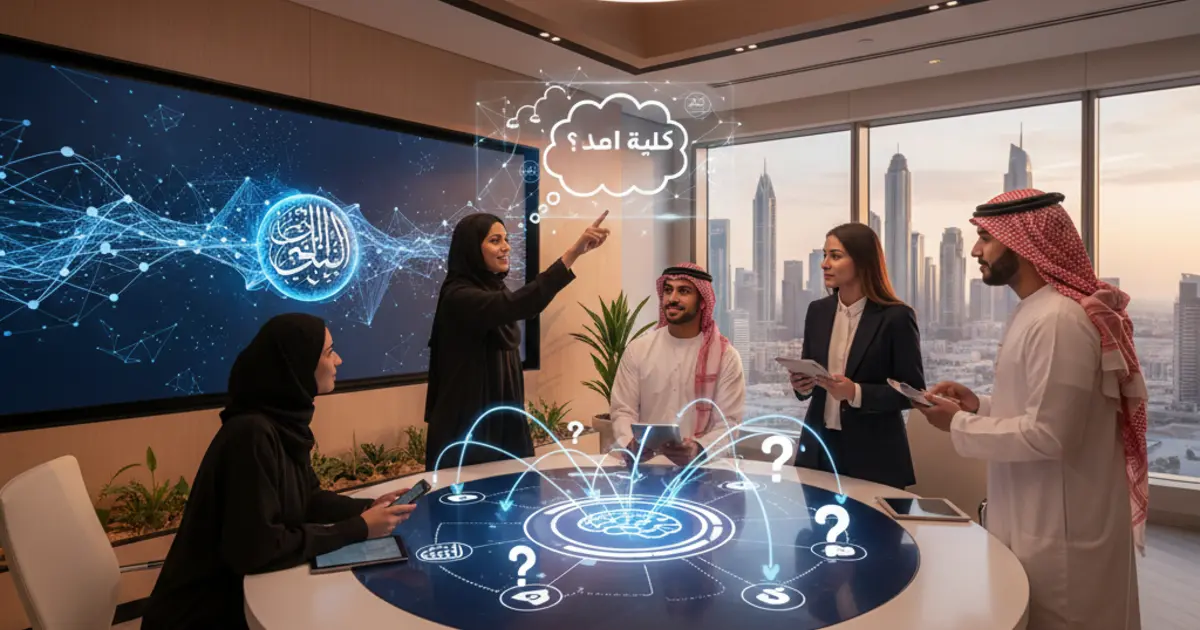
Content adaptation for Arab social media is a complex process that goes far beyond simple translation. It’s a strategic approach to creating messages, images, and videos that resonate with an Arab audience, considering their unique cultural context, language, religious beliefs, and online behavioral patterns. The importance of such an approach cannot be overstated, especially in a competitive market like the UAE.
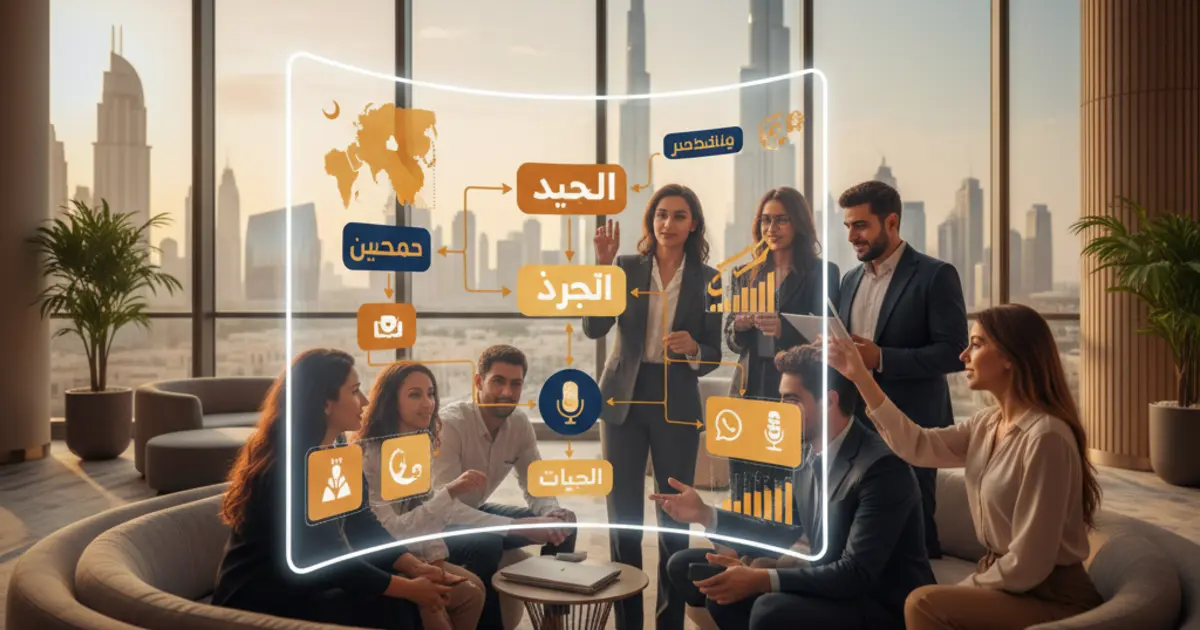
In the Dubai market, where consumers are bombarded daily with information from all over the world, generated in various languages, only truly adapted content can cut through the noise and get noticed. Unadapted content is often perceived as foreign, inappropriate, or even offensive, which inevitably leads to the failure of an advertising campaign.
In our experience, we’ve repeatedly seen cases where seemingly successful campaigns from Europe or the CIS completely failed in the UAE due to a lack of cultural adaptation. Simply using English, even though it’s widely spoken, doesn’t guarantee reaching the local population and achieving long-term engagement. To increase brand awareness in the UAE, you need to speak the same language, not just linguistically, but culturally too.
What Cultural Specifics of the UAE Should You Consider When Creating Content?
Successful content adaptation begins with a deep understanding of the UAE’s cultural specifics. It’s a multicultural country, but prevailing norms and values are shaped by Islamic tradition and Arab culture. Ignoring these aspects can lead to a negative reaction or a complete lack of response.
Key aspects to consider:
- Religious and family values: Islam plays a central role in society. Content must respect religious holidays (e.g., Ramadan, Eid al-Fitr), avoid images that might be perceived as disrespectful or contradictory to Islamic norms (e.g., alcohol, pork, excessive skin exposure). Family, older generations, children—these are the foundation of society, and showcasing these values in content always resonates.
- Modesty and discretion: In visual content for women, images demonstrating modesty and elegance, rather than revealingness, are preferred. This applies to both clothing and behavior. For men, an image showing dignity and respect is also important.
- Sense of community and hospitality: Arab culture values hospitality, generosity, and social connections. Content that highlights these qualities, for example, through shared events, family dinners, or collective pastimes, will be more effective.
- Avoiding taboo topics: Politics, religion, extramarital personal relationships, and certain aspects of gender issues can be sensitive. It’s always best to consult with a local expert or native speaker before touching on potentially controversial subjects.
Working with clients in Dubai, we’ve seen how even a minor detail in an image—for example, too short a sleeve or an incorrectly depicted gesture—could completely negate the advertising effect, causing the audience to scroll past the content. Therefore, every element, from the color palette to the placement of objects, must be meticulously thought through.
Language and Dialects: How to Choose the Right Tone of Communication in Dubai?
Language is a powerful tool, and its correct use is critical for successful content adaptation. In the UAE, the popularity of social media can differ from Western markets.
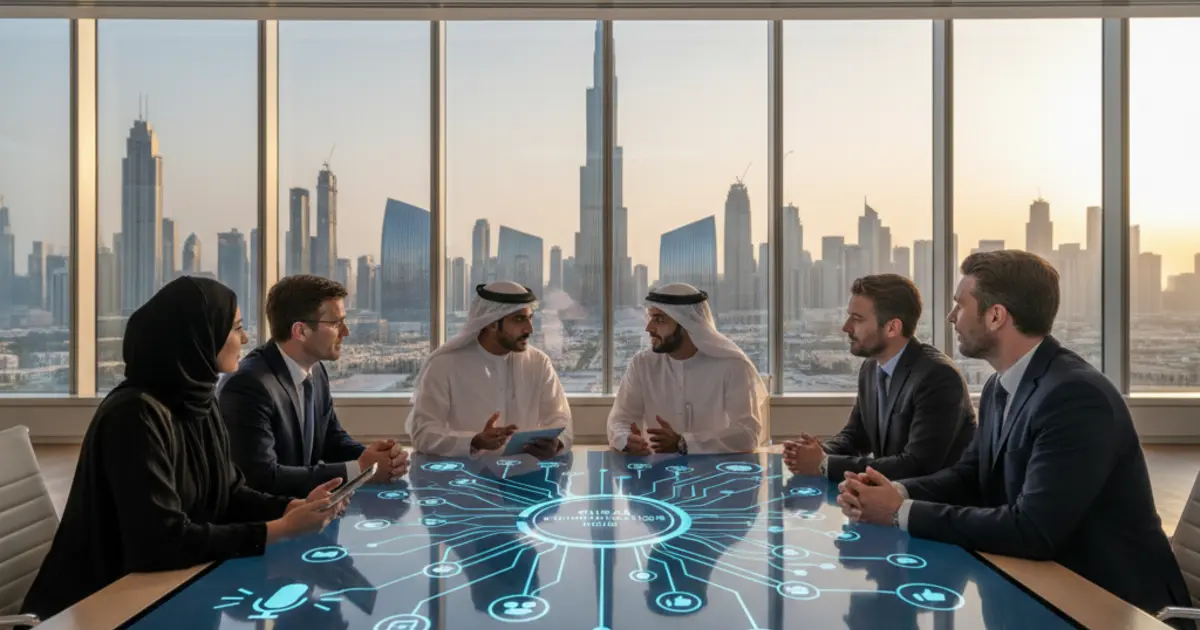
- Modern Standard Arabic (MSA): This is the universal language for written communication, news, and official documents. It is understood throughout the Arab world and is ideal for informational content, blogs, and news.
- Local dialects: Dialects are used in everyday conversation. For the UAE, this is primarily the Gulf dialect. Using it in advertising messages, especially in video or audio, can create a sense of greater closeness and authenticity. However, it’s important not to overdo it and make the content unintelligible to a wider audience or residents of other emirates.
- English language: In Dubai and Abu Dhabi, English is widely used, especially in business environments and among expats. However, to reach the local population and build a deep brand connection, Arabic is indispensable.
When choosing a language for an advertising campaign in Dubai, I always recommend a bilingual approach: high-quality Arabic content to attract local and Arabic-speaking audiences, and professionally translated English content for international audiences and expats. It’s crucial that the Arabic text is adapted by a professional native speaker who understands all cultural nuances and local idioms, not just machine-translated.
“Direct translation often leads to loss of meaning, inappropriate jokes, or even mistakes that can seriously damage a brand’s image in the Emirates. Investing in professional localization pays off many times over, increasing audience trust and response.”
Which Platforms Are Popular in the Arab Emirates and How to Use Them?
Choosing the right social platform is as important as the content itself. In the UAE, social media popularity can differ from Western markets.
- Facebook and Instagram: These platforms remain leaders in reach and engagement in the UAE. Instagram is particularly popular among young people and those who value visual content: fashion, food, travel, lifestyle. Facebook covers a wider demographic, including older generations, and is an excellent tool for publishing longer texts, articles, and conducting discussions and events. For businesses in Dubai and Abu Dhabi, targeted advertising on Facebook and Instagram is the fastest way to get leads and increase sales. While SEO gains momentum (usually 3-6 months for stable results), targeted ads bring clients within the first few days of launch.
- Snapchat: Extremely popular among young people, especially Emiratis, for sharing instant photos and videos. If your target audience is young Arabs, Snapchat should be in your strategy. It requires very dynamic, “live,” and authentic content.
- TikTok: Rapidly gaining traction, especially among teenagers and young adults. The short video format with trends, music, and challenges is ideal for viral content and rapid brand awareness growth.
- WhatsApp: Although not a social network in the traditional sense, WhatsApp is the primary messenger in the UAE and is actively used for business communications, customer support, and even marketing broadcasts (with user permission).
- LinkedIn: Important for the B2B segment and professional networking. If your business targets corporate clients or professionals, this platform is indispensable.
In my experience, the fastest way to get clients in Dubai is to launch targeted advertising on Facebook and Instagram, correctly setting audience parameters and adapting creatives. This provides an immediate influx of leads, while other channels, including organic promotion, work for the long term.
How to Optimize Visual Content for an Arab Audience?
Visual content plays a key role in social media, and its adaptation for the Arab market requires special attention.
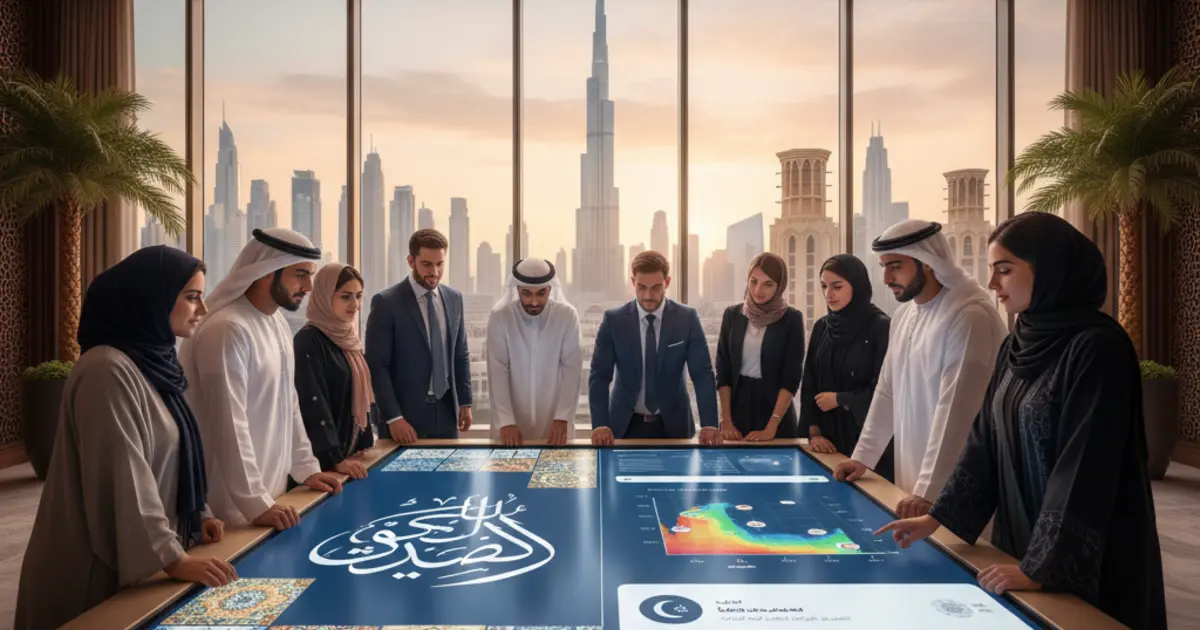
- Color palette: Avoid colors that might have negative associations (though rare, it can happen). Prefer noble, natural tones, gold, white, blue, and green, which are often found in traditional Arab culture and symbolize prosperity, peace, and nature.
- Images of people: If images include people, ensure they are dressed appropriately, adhering to local modesty norms. It’s preferable to show families, children, people engaged in everyday activities, or displaying positive emotions. Avoid provocative poses or overly revealing clothing.
- Symbols and gestures: Some gestures common in Western culture can have a completely different meaning in the Arab world. For example, the “thumbs up” gesture can be perceived negatively in some regions. It’s important to be aware of such nuances.
- Text and design direction: Arabic is read from right to left. This can influence the placement of elements in design, infographics, and even the direction of character movement in videos, to create a more natural perception for native speakers.
- Authenticity: Using local landmarks, landscapes, traditional architectural elements, or decor as a background can significantly increase engagement and the feeling of “local” content.
Based on results from campaigns launched in the UAE, we see that high-quality, visually appealing images and videos that harmoniously fit the cultural context show a significantly higher CTR (Click-Through Rate) and conversion rate. For example, for one client offering luxury real estate in Dubai, using professional videos showcasing a family lifestyle and respect for privacy helped reduce the cost per lead by 35% compared to a campaign using more “generic” Western creatives.
How Important Is the Call-to-Action (CTA) in Arab Social Media?
The Call-to-Action (CTA) is a critically important element of any marketing message, and its significance only increases in Arab social media. A clear, understandable, and culturally adapted CTA guides the user to the next step, whether it’s a purchase, subscription, or information request.
Key principles of an effective CTA:
- Clarity and directness: The Arab audience values direct communication. The CTA should clearly state what you want the user to do. “Order now,” “Learn more,” “Contact us” are good examples.
- Language localization: The CTA should be in Arabic and use phrasing that feels natural to native speakers. Do not use literal translations of English phrases that might sound unnatural.
- Benefits: Include not only the action but also the benefit for the user in the CTA. For example, “Book now and get a discount” or “Download our app to receive exclusive offers.”
- Sense of urgency or exclusivity: Where appropriate, create a sense of urgency (“Limited offer!”) or exclusivity (“Only for our subscribers!”) to stimulate immediate action.
- Convenient communication channels: If the CTA implies contact, offer the most convenient channels for the region — WhatsApp, phone call, direct messages on Instagram.
In our practice, when we changed the CTA for projects in Abu Dhabi from “Learn more” (in English) to “لمعرفة المزيد” (Learn more, in Arabic), and then to “تواصل معنا للاستفسار” (Contact us for inquiry) with a phone number or WhatsApp link, conversion significantly increased. Remember that SEO and organic promotion are long-term tools that yield results after 3-6 months, while targeted advertising with a well-thought-out CTA can bring leads within the first few days.
Common Mistakes When Adapting Content for Social Media in the UAE
Even experienced marketers can make mistakes in the specific UAE market. Knowing these pitfalls will help you avoid them and save your advertising budget.
- Direct, unadapted translation: This is the most common and crude mistake. Language is not just a set of words but a reflection of culture. Literal translation of English ad texts often sounds unnatural, loses humor, or even acquires an undesirable connotation.
- Ignoring cultural taboos and norms: Publishing images or texts that contradict Islamic values or local customs can lead to rejection, criticism, and even legal problems. For example, overly revealing clothing, displaying alcohol, or food during Ramadan.
- Incorrect platform choice: Promoting B2B services through TikTok or targeting teenagers through LinkedIn is an inefficient use of resources. Each platform has its audience and specifics.
- Lack of localized visuals: Using stock photos with Western models or landscapes unrelated to the UAE reduces trust and a sense of relevance.
- Underestimating advertising budgets for Dubai: Many clients come with expectations that “500-1000 dirhams” a month will be enough for an advertising campaign. This is a catastrophic mistake. In Dubai, the minimum daily budget for effective targeted advertising starts from $60 (about 220 dirhams) per day, meaning a minimum monthly budget of $1800 (about 6600 dirhams). A testing period requires an investment of at least $1800-2400 (6600-8800 dirhams) to collect enough data for optimization. An insufficient budget is simply “burned” without tangible results. Expecting a significant flow of leads and increased sales with smaller amounts is unrealistic. Sometimes, the reason for a strategy failure in Dubai is precisely underestimated expectations and insufficient investment.
- Lack of testing and optimization: The UAE market is dynamic. What worked yesterday might not work today. The absence of A/B testing for creatives, headlines, and audiences leads to stagnation and inefficiency.
Practical Recommendations for Creating Effective Content for the Dubai Market
To make your content truly “pop” on UAE social media, follow these proven recommendations:
- Research your target audience: Not just demographics, but psychographics. What are their interests, values, pain points, content consumption habits? Conduct surveys, analyze competitor comments.
- Engage local experts: For translation, cultural review, and creative development. No one knows the market better than those who live and work here.
- Use high-quality, localized visual content: Invest in professional photography and videography with local flavor. Photos with real people from the UAE or recognizable locations always perform better.
- Focus on storytelling: Arab culture values stories. Tell stories about your brand, its values, and benefits for customers.
- Integrate targeted advertising: This is the foundation of rapid growth. Set up campaigns on Facebook and Instagram, carefully segmenting your audience by interests, behavior, location (Dubai, Abu Dhabi, Sharjah), and language. Start with realistic budgets: from $60 per day. Remember that advertising mistakes in Dubai can be costly, but the right approach will bring quick results.
- Be prepared for long-term SEO investments: While targeted ads bring quick leads, organic promotion creates a sustainable traffic flow and builds authority in the long term (3-6 months). Combining these two approaches is an ideal strategy.
- Actively engage with your audience: Respond to comments and messages, conduct polls, contests, and live broadcasts. Engagement increases loyalty and algorithmic reach.
- Regularly test and optimize: A/B test headlines, images, videos, CTAs, and audience segments. Continuous data analysis allows you to improve results and reduce the cost per lead.
- Be patient and consistent: Success doesn’t come instantly. Consistency in publishing high-quality, adapted content and continuous optimization of advertising campaigns is crucial.
“Analysis of projects in the Emirates shows that brands willing to invest in deep cultural adaptation and use targeted advertising with adequate budgets achieve results 2-3 times faster and with higher ROI than those who apply a one-size-fits-all approach.”
Frequently Asked Questions
How quickly will I see results from adapted content on UAE social media?
Results can vary. If you use targeted advertising on Facebook and Instagram with adapted content, the first leads and sales can be obtained within the first few days of launching the campaign. Organic growth and brand awareness through adapted content will require 3-6 months to achieve noticeable and stable results.
How much does it cost to launch an advertising campaign with adapted content in Dubai?
The minimum realistic daily budget to start in Dubai is from $60 (~220 dirhams). For a testing period, to gather enough data and optimize the campaign, you’ll need at least $1800-2400 (~6600-8800 dirhams). A monthly budget where tangible results can be expected starts from $1800 (~6600 dirhams).
Do I need a local marketing specialist to adapt content?
Yes, it’s highly advisable. A local specialist or expert with experience in the UAE market best understands the cultural nuances, language, and audience preferences. They will help avoid mistakes in translation, visual selection, and promotion strategy, saving you time and budget.
Which social networks are most effective for business in the UAE?
Facebook and Instagram remain the most reliable and fastest channels for attracting clients through targeted advertising. Snapchat and TikTok are effective for reaching a younger audience. WhatsApp is indispensable for direct communication and customer support, and LinkedIn is for the B2B segment.
How does content adaptation for Dubai differ from other emirates?
While the main cultural principles are consistent, Dubai is more cosmopolitan and open to international trends, with a high proportion of expats. In Abu Dhabi, the audience might be more conservative, and in emirates like Fujairah or Sharjah, the emphasis on local traditions and Arab culture can be even stronger. Therefore, adaptation must consider the specifics of each emirate and its demographic composition.
👉 Subscribe to my Telegram channel.
✉️ Message me on WhatsApp if you need clients.
📸 Follow updates on Instagram.